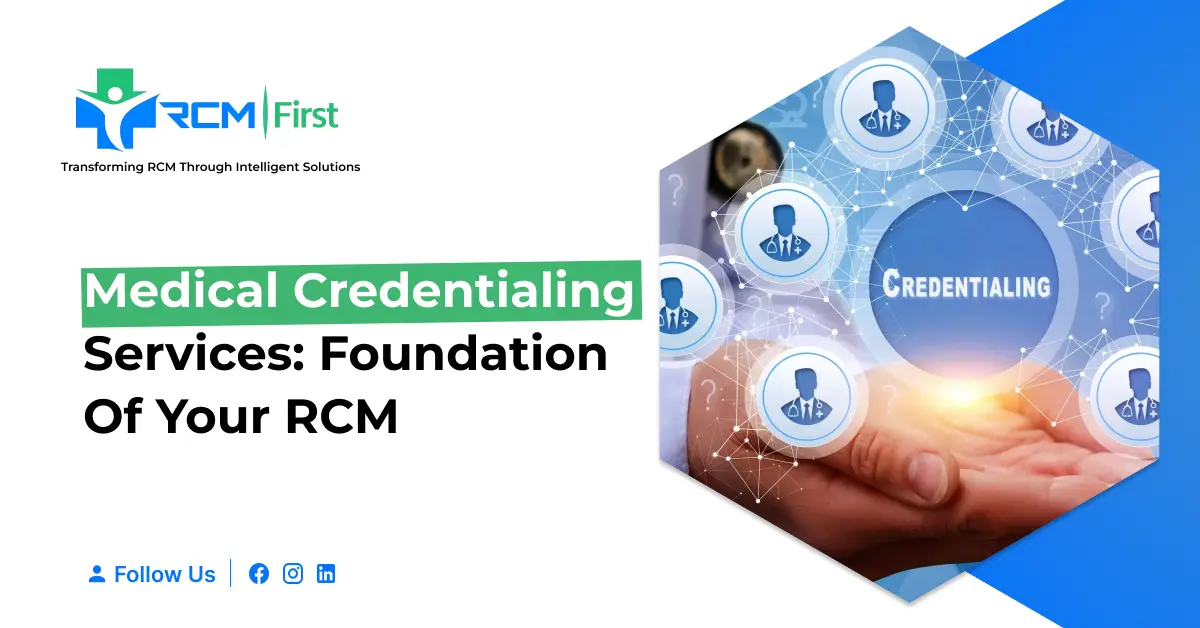
Starting a medical practice is an exciting and rewarding venture, but establishing a strong foundation through effective credentialing and payer enrollment is crucial for long-term success. Credentialing is the process that verifies your qualifications, ensures payer participation, and enables your practice to accept insurance, bill accurately, and receive reimbursements promptly. A well-executed credentialing strategy can significantly impact your practice’s financial health, patient access, and operational efficiency.
In this comprehensive guide, we will explore the importance of credentialing, its complex processes, common challenges faced by medical providers, and best practices for building a resilient and compliant credentialing program. Whether you’re opening a new practice, onboarding additional providers, or expanding into new insurance networks, understanding and investing in credentialing is vital for sustainable growth.
Why Credentialing Is the Cornerstone of Your Medical Practice’s Success
Credentialing is often misunderstood as a simple administrative task, but it’s actually a critical component of your practice’s revenue cycle management (RCM). Proper credentialing ensures that your practice meets all insurer standards, avoids claim denials, and accelerates reimbursement.
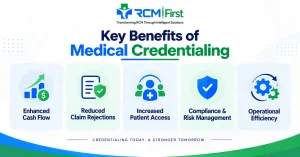
Key benefits of effective credentialing
Enhanced Cash Flow
Credentialed providers can submit claims promptly, reducing delays in reimbursement.
Reduced Claim Rejections
Accurate provider data minimizes claim denials due to mismatched information.
Increased Patient Access
Patients prefer providers who accept their insurance plans, expanding your patient base.
Compliance and Risk Management
Proper credentialing maintains compliance with payer requirements and legal standards.
Operational Efficiency
Streamlined credentialing processes save administrative time and resources.
Building a solid credentialing foundation not only facilitates smooth billing and claims processing but also positions your practice as a reputable, compliant healthcare provider.
The Complex Process of Medical Credentialing
Credentialing involves many detailed steps that require accuracy, timeliness, and ongoing management. Here’s an overview of the typical process:
-
Gathering and Verifying Provider Information
This includes collecting data such as:
- National Provider Identifier (NPI)
- Tax Identification Number (TIN)
- State medical license
- Medical school and residency information
- Board certifications
- Malpractice insurance details
-
Completing and Attesting to CAQH Profiles
The Council for Affordable Quality Healthcare (CAQH) streamlines provider credentialing by maintaining profiles that contain verified provider data. Regular updates and attestations are essential for maintaining active status.
-
Licensing and Certification Verification
States require licensed providers to maintain current licenses. Credentialing agencies verify licensing status, expiration dates, and any disciplinary actions.
-
Malpractice Insurance Verification
Insurers verify that providers maintain adequate malpractice coverage, which is often a requirement for credentialing and contracting.
-
Practice Location and Service Area Confirmation
Providers must confirm their practice locations, hours, and the services they offer. Accurate practice addresses are critical for billing and patient access.
-
Payer-Specific Application Submission
Each insurance plan has unique requirements and application processes. Customization and attention to detail are vital.
-
Provider Enrollment in Payer Systems
Once credentialed, providers are enrolled into insurance payer portals, enabling claim submission and reimbursement processing.
-
Banking and EFT (Electronic Funds Transfer) Setup
Providers need to set up secure electronic payment methods to ensure timely reimbursement.
-
Continuous Follow-Up and Maintenance
Credentialing is an ongoing process. Regular updates, renewal tracking, and monitoring for compliance issues are necessary to maintain active status.
The Significance of Accurate and Complete Applications
Credentialing can take anywhere from 90 to 180 days, depending on the payer and the accuracy of your application. Incomplete or inaccurate applications are a leading cause of delays and denials.
Best practices include:
- Double-checking all provider data for consistency.
- Submitting complete documentation upfront.
- Responding promptly to payer requests for additional information.
- Regularly updating CAQH profiles and license information.
An error-free application process minimizes delays and accelerates your practice’s ability to accept insurance and generate revenue.
The Hidden Costs of DIY or Free Credentialing Services
Many practices attempt to handle credentialing internally or choose free services to save money. While this might seem cost-effective initially, it often results in:
- Missed follow-ups
- Delays in claims processing
- Application holds or rejections
- Increased administrative burden
- Potential non-compliance issues
Key questions to consider include:
- Who manages ongoing follow-up with payers?
- Who responds to payer requests for additional documentation?
- Are provider and practice data continually verified and updated?
- Who proactively identifies and resolves credentialing issues?
Without dedicated oversight, these small issues can snowball into significant revenue losses, delayed payments, and administrative headaches.
Common Credentialing Challenges and How to Overcome Them
Credentialing problems often go unnoticed until they cause payment delays or claim denials. Here are some typical issues and solutions:
-
Application Holds or Withdrawal
Cause: Inactivity or incomplete submissions.
Solution: Regularly monitor application status and respond promptly.
-
Mismatched Provider Data
Cause: Discrepancies between provider records and payer databases.
Solution: Conduct routine audits of provider data and ensure consistency.
-
Expired Licenses or Certifications
Cause: Failure to track renewal dates.
Solution: Implement automated alerts for license renewal deadlines.
-
Missing or Incorrect Documentation
Cause: Oversights during application preparation.
Solution: Use checklists and experienced credentialing staff.
-
Practice Location or Service Code Discrepancies
Cause: Incorrect practice addresses or procedure codes.
Solution: Verify all practice details before submission.
-
Banking and EFT Errors
Cause: Incorrect account information.
Solution: Confirm banking details before setup.
Proactively managing these issues with an experienced credentialing partner can prevent costly delays.
Why You Might Not Know There’s a Credentialing Problem
Credentialing delays are often silent, practices continue paying rent, staff salaries, and supplies while waiting for insurance reimbursements that are stuck due to credentialing issues. This disconnect can threaten the financial stability of your practice.
Indicators of credentialing issues include:
- Slow or absent payments from payers
- Repeated claim rejections
- Lack of communication from payers
- Provider unable to bill or receive payments
- Regular monitoring and proactive follow-up can help identify and resolve issues early, avoiding cash flow disruptions.
- Differentiating Credentialing, Contracting, and Enrollment
Understanding the distinctions among these processes is vital:
Credentialing: Verifying provider qualifications and compliance with insurer standards.
Contracting: Negotiating reimbursement rates and terms.
Payer Enrollment: Registering your practice with insurance payers to facilitate claim submission.
While interconnected, each process serves a specific function. Proper credentialing lays the groundwork for successful contracting and enrollment, enabling you to bill accurately and receive payments efficiently.
Building a Resilient Credentialing Strategy from Day One
Early engagement with credentialing experts can save time, reduce errors, and prevent revenue leaks. Consider these best practices:
Start early: Credentialing should be part of your practice setup from the beginning.
Use experienced professionals: Credentialing agencies understand payer requirements and workflows.
Maintain organized documentation: Keep all provider and practice data up to date.
Automate renewals and alerts: Ensure licenses and certifications are renewed on time.
Monitor application statuses: Regularly follow up on pending applications.
Partner with a Trusted Credentialing Expert
Choosing the right partner can make all the difference. A reputable credentialing service provider offers:
- Comprehensive application management
- Continuous follow-up and issue resolution
- Data verification and updates
- Payer-specific guidance
- Strategic planning for practice expansion
How RCM First Supports Your Credentialing Needs
At RCM First, we understand that credentialing is the backbone of your revenue cycle. Our services include:
- Provider credentialing and payer enrollment
- CAQH profile setup, maintenance, and updates
- Medicare, Medicaid, and commercial insurance credentialing
- Group and individual provider enrollment
- Ongoing application follow-up and status tracking
- Documentation review and correction
- EFT/ERA setup and ongoing support
- Credentialing issue resolution and process optimization
Our approach emphasizes accuracy, timeliness, and strategic planning to ensure your practice is credentialed and billing-ready from day one.
Final Thoughts: Build Your Practice on a Strong Credentialing Foundation
Your practice’s success depends on more than just excellent clinical care; it hinges on operational efficiency, compliance, and revenue management. Credentialing is the foundation that supports all these elements. While DIY or free services may seem cost-effective initially, they often lead to delays, denials, and lost revenue. Investing in a dedicated, experienced credentialing partner ensures your practice starts strong, remains compliant, and is positioned for sustainable growth.
Take action today, partner with credentialing experts who understand the nuances of the process and can help you navigate the complexities seamlessly.
Whether you’re opening a new practice, onboarding additional providers, or expanding your insurance networks, RCM First is here to support your credentialing needs. Let us build a reliable, compliant, and efficient foundation for your practice’s revenue cycle.